
Early 2026 has seen electro-hydraulic integration emerge as a core driver for construction machinery electrification, propelling the industry toward higher efficiency, lower noise and reduced carbon emissions. Next-generation eHydraulics systems leverage precise flow control and intelligent algorithms to extend battery-electric excavator runtime by 20% and optimize backhoe loader system efficiency by 18%. Key technological advancements include integrated drive motors, smart valve assemblies and dedicated control software, enabling deep integration between hydraulic systems and electric platforms to significantly reduce energy losses. Industry data projects the 2026 global electric construction machinery market to exceed USD 80 billion, with eHydraulics becoming critical for OEMs to cut costs, boost efficiency and accelerate electrification timelines. Conferences and exhibitions in this period highlight electro-hydraulic solutions, with on-site comparisons between traditional hydraulic and electric system architectures demonstrating clear advantages in energy efficiency and controllability, driving mass adoption across loaders and excavators and accelerating the industry’s green transition.
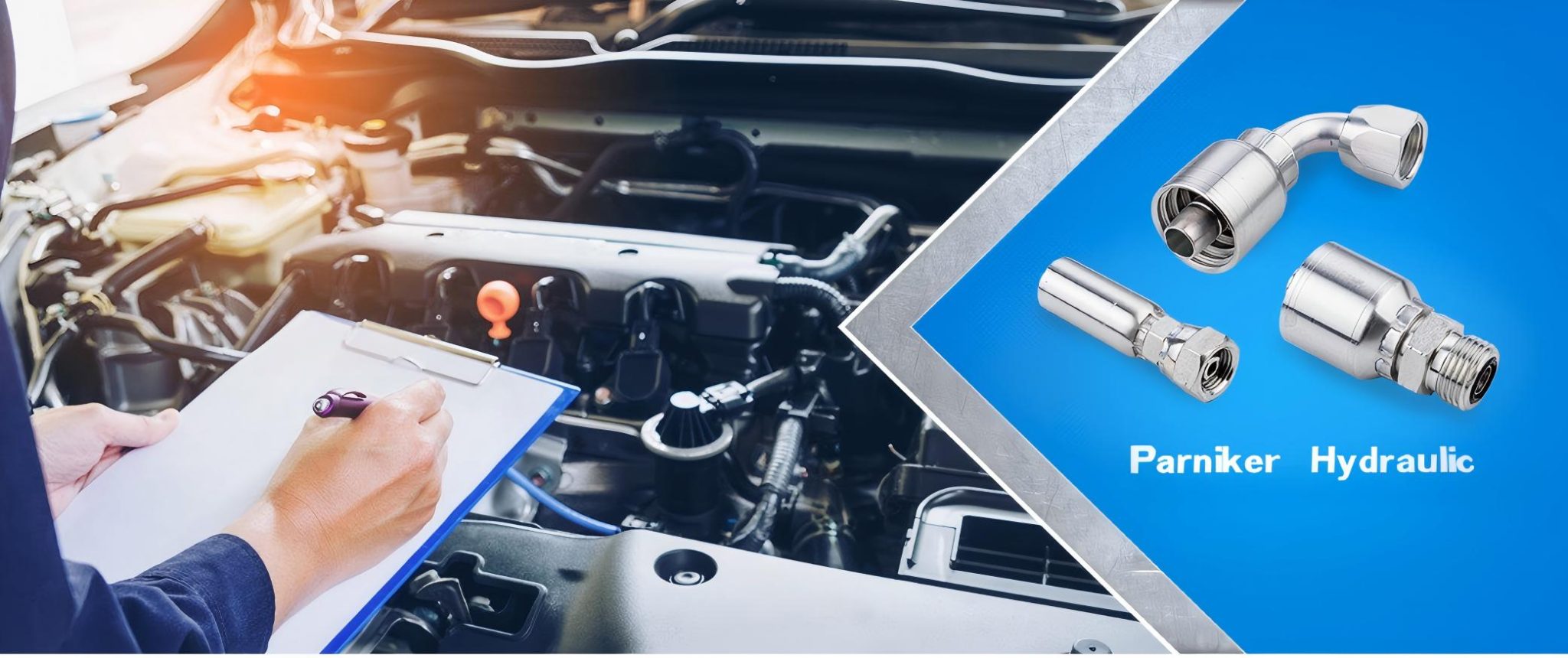

What are the factors that affect high-end product components?

What are the factors that affect high-end product components?

Machining has multiple applications, as the current demand for output in mechanical manufacturing has decreased, while the requirements for dimensions and shapes have gradually increased, to new development trends in high-quality components. Different turning methods are required when using a lathe; however, processes such as grinding, hobbing, and milling can be performed on a single […]

Precautions for precision machining and industry requirements

Precautions for precision machining and industry requirements

Machining has multiple applications, as the current demand for output in mechanical manufacturing has decreased, while the requirements for dimensions and shapes have gradually increased, to new development trends in high-quality components. Different turning methods are required when using a lathe; however, processes such as grinding, hobbing, and milling can be performed on a single […]

Machining processes and techniques

Machining processes and techniques

Machining has multiple applications, as the current demand for output in mechanical manufacturing has decreased, while the requirements for dimensions and shapes have gradually increased, to new development trends in high-quality components. Different turning methods are required when using a lathe; however, processes such as grinding, hobbing, and milling can be performed on a single […]